Top Gear Drives the Supercat
Top Gear Drives the Supercat
Jethro Bovingdon Takes a Prototype into the Mountains
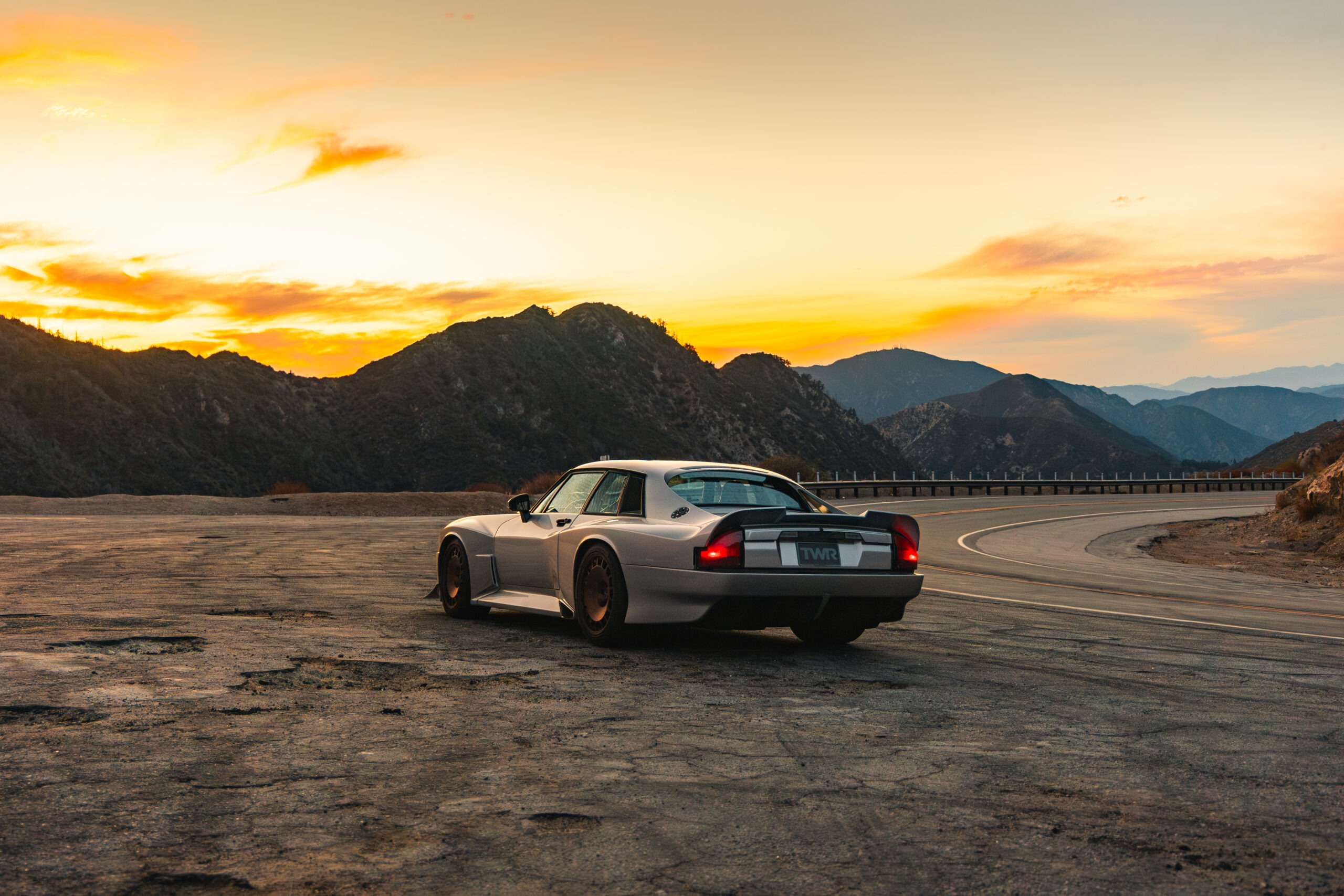
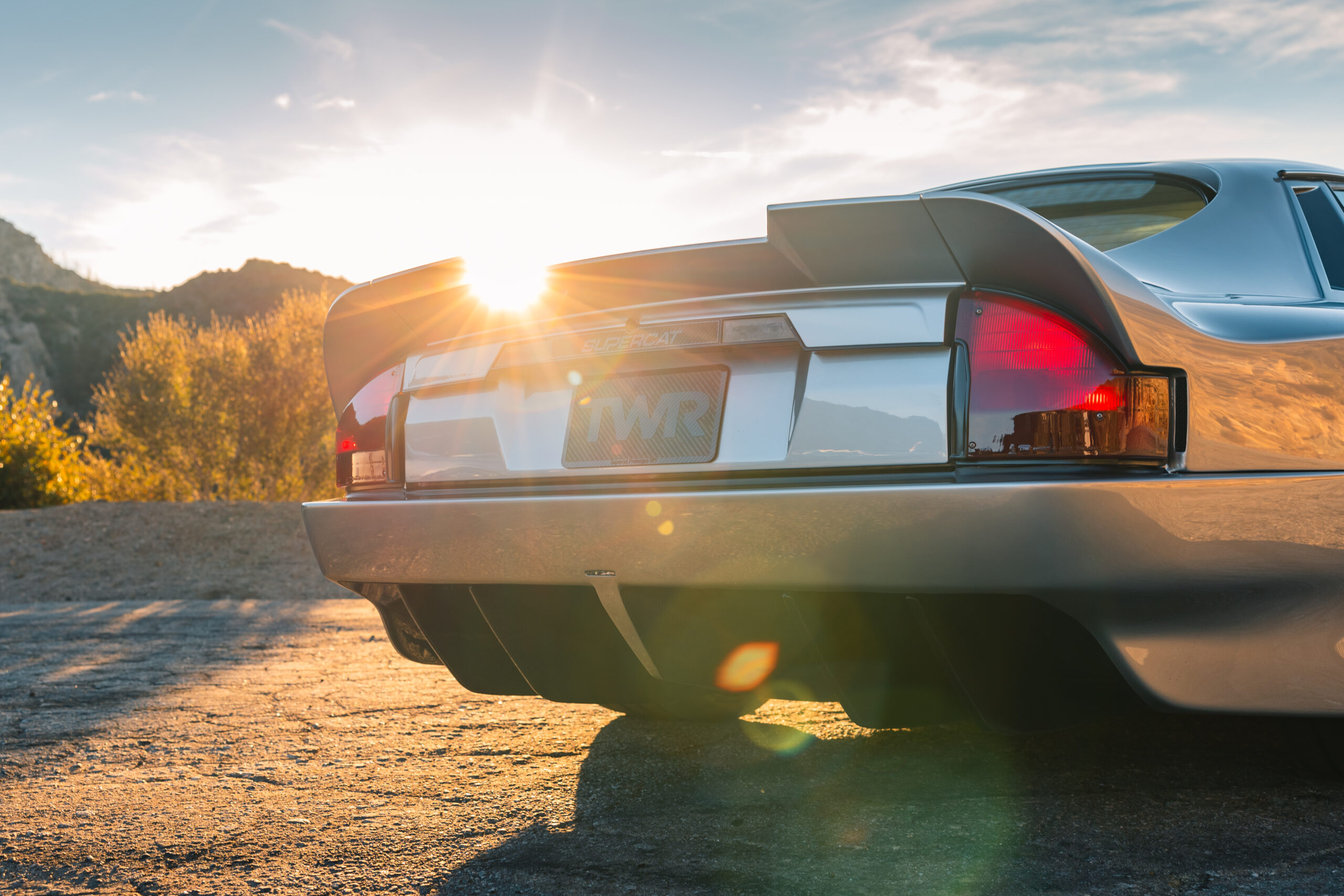
When Top Gear arrived to drive the TWR Supercat, the premise itself raised eyebrows. A Jaguar XJS-based restomod, powered by a supercharged V12, wrapped in brutalist carbon fibre and built by a revived TWR – not as nostalgia, but as a modern Super-GT.
“Sometimes the best stories are the ones you don’t expect.”
An Unlikely Starting Point
As Jethro Bovingdon noted, the modern restomod world has largely been shaped by Porsche, a platform with decades of motorsport success and almost limitless reinterpretation.
“The restomod world is basically built around Porsche… the 911 is like the gift that keeps on giving.
The Jaguar XJS, by contrast, is an outsider.
It doesn’t have lightweight homologation specials or half a century of rally and GT mythology. It followed the E-Type. It was misunderstood. And yet, beneath that reputation lies a long-wheelbase GT platform, proven V12 architecture and a history tied to touring car racing and endurance success.
The Supercat exists to ask a difficult question:
“Has a Jaguar XJS got those good bones? Has it got the inherent qualities to create a properly special driving experience?”
The prototype driven by Top Gear featured a 5.6-litre supercharged V12 producing 660 horsepower, paired with a six-speed manual gearbox. Beneath the carbon fibre sits a heavily strengthened structure, bespoke subframes, revised suspension geometry, electronically adjustable Tractive dampers and configurable ABS and traction control.
“This isn’t a normal XJS… you can sense the focus of the car. You can feel they’ve worked on the structure to make it stiffer. The damping feels more poised.”
This is not TWR of the 1980s. But it is informed by the same philosophy: clarity of purpose, mechanical honesty and performance that can be felt.
Angeles Crest: Where Cars Tell the Truth
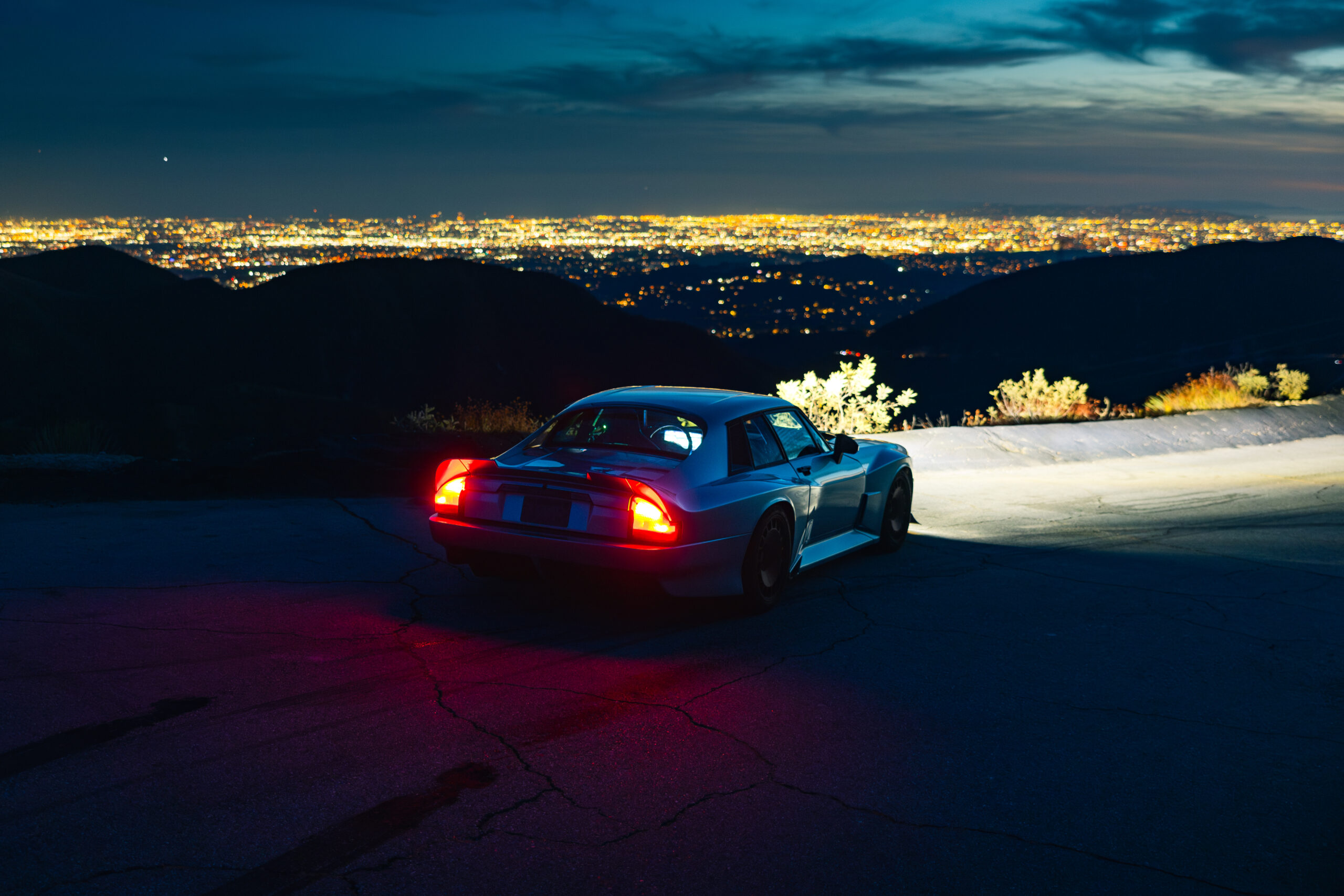
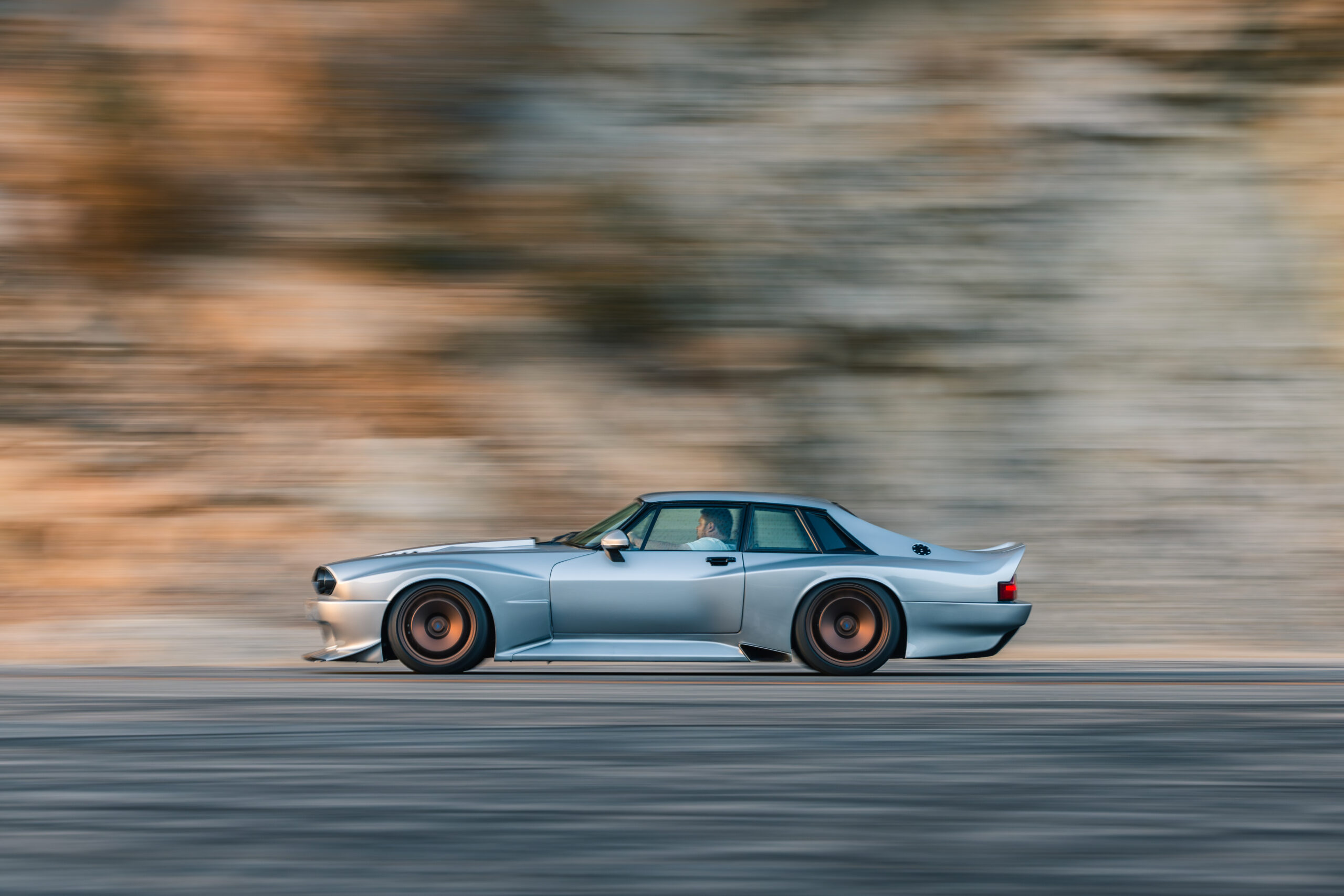
The drive took place on Angeles Crest Highway, north of Los Angeles, a road used globally by manufacturers to assess balance, composure and driver confidence.
Conditions were cold, wet and unforgiving, but the Supercat felt intuitive, a crucial quality when conditions are working against you.
“It weirdly doesn’t feel huge… you feel right in the centre of the car, which gives you confidence straight away.”
The Engine at the Centre of It All
At the heart of the Supercat is its V12. The 5.6-litre supercharged unit revs to 7,700 rpm and delivers drama. On the overrun, it is raw and unfiltered. Paired with a manual gearbox, it offers something increasingly absent from modern performance cars.
“People seek out cars like this because they want something you simply cannot get from new car manufacturers.”
Dynamics, Honestly Assessed
Top Gear did not soften its assessment, but that honestly matters to us.
The electric power steering was praised for speed and response but flagged for inconsistency. The brake pedal was described as race-biased, demanding real effort. Gear ratios were discussed candidly, including the challenge of accessing the upper rev range on public roads.
But beneath those refinements, the fundamentals stood out.
“It sounds strange given how brutal it looks, but there’s an almost delicacy to the balance mid-corner.”
A Prototype with Real Potential
The Supercat shown was, by definition, unfinished and we has never suggested otherwise.
“They’re now at the hardest part of the process — honing it from high drama into a polished product.”
Steering calibration, gearing refinement and fit-and-finish remain part of the final phase. But crucially, the foundations are sound.
“Love it or loathe the looks, the Supercat is a car with substance as well as shock value.”
And that, ultimately, is what matters.